
Japanese Bedroom Design: Futon, Tatami & Zen Style Guides
Free, practical guides on futon sleeping systems, tatami flooring, natural materials, and Japanese design philosophy — everything you need to create a calmer, more intentional bedroom space.
Japanese bedroom design isn’t just an aesthetic — it’s a completely different relationship with the space you sleep in. Lower, simpler, closer to the floor. Natural materials instead of synthetic ones. Less furniture, more intention. But most Western interior guides treat tatami as a trend and futon as a budget option, missing the actual principles behind why Japanese sleeping spaces work the way they do. Linn-Sui is built to explain it properly. Since 1994, our laboratory has been producing futon, tatami, and Japanese-style furniture that bridges authentic craftsmanship with contemporary design. This blog is the educational side of that work — free guides on how Japanese bedroom design actually functions, what materials matter, and how to bring that philosophy into a real home.

Latest Posts
-
How to Set Up a Classy & Simple Japanese-Style Bedroom

Most bedrooms accumulate clutter without anyone noticing. A charger here, a stack of magazines there, three throw pillows too many on the bed. A Japanese-style bedroom flips that habit on its head. It asks you to keep only what earns its place in the room, and to let space itself become part of the design.…
-
Tatami Room: The Heart of Japan’s Contemporary Home
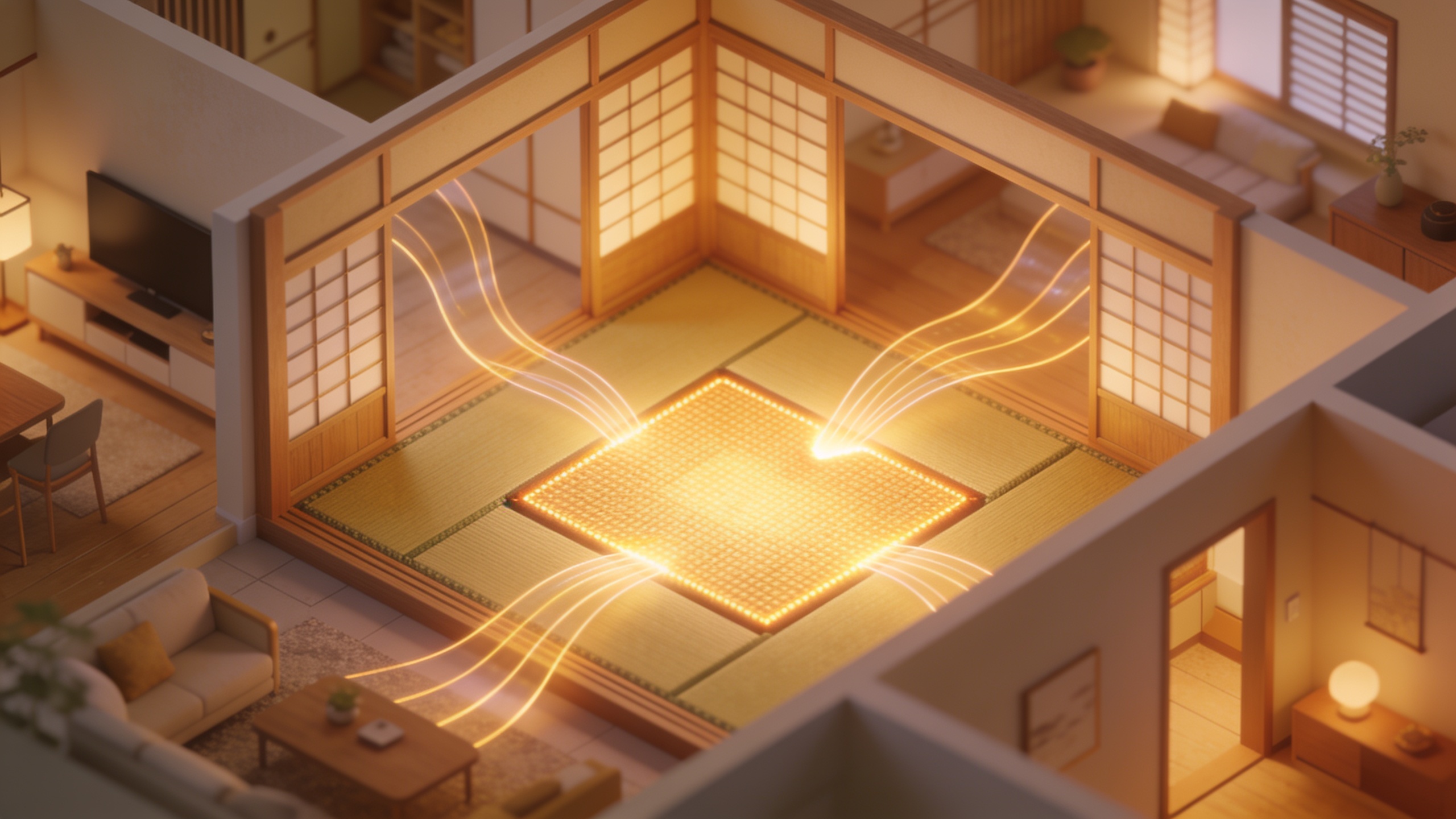
Walk into a traditional Japanese house and you notice the smell before anything else. That grassy, faintly sweet scent comes from tatami, the woven straw mats that have defined Japanese interiors for over a thousand years. I spent a chunk of my career writing about design and architecture, and tatami rooms keep pulling me back…
-
Tatami Rooms in Modern Japanese Apartments: What Are They For?
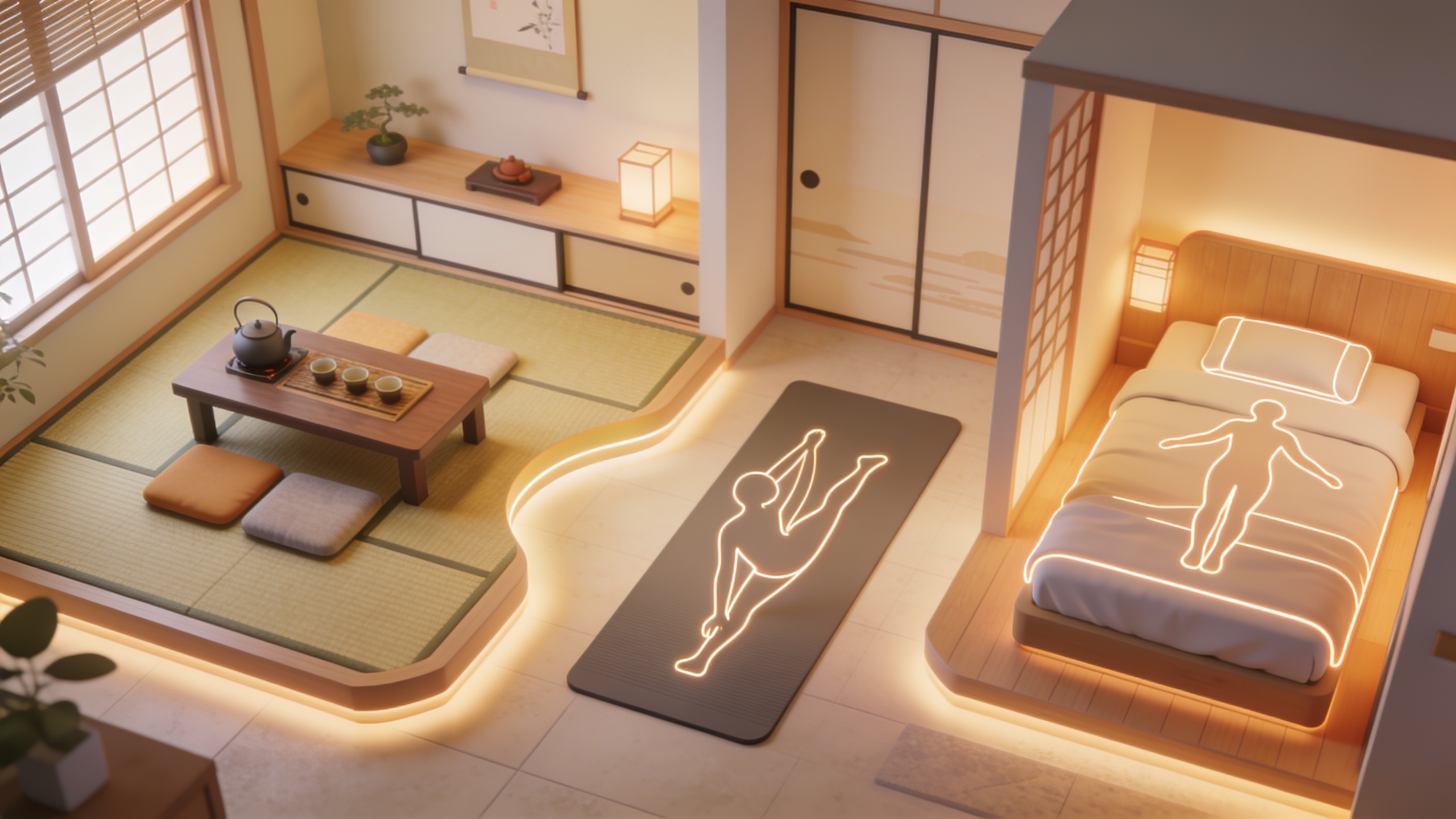
Walk into almost any Japanese apartment listing and you’ll spot it: one room marked with a small icon of woven mats, labeled simply “Japanese-style room” or “washitsu.” In a floor plan otherwise full of Western-style bedrooms and a living-dining-kitchen combo, this single tatami room sticks out. Renters and buyers new to Japan often skip right…
Japanese Bedroom Design
Futon, Tatami & Zen Interiors
A Japanese bedroom is defined by what isn’t in it as much as what is. This category covers the fundamentals of Japanese interior design as it applies to the bedroom: how tatami flooring works and why it matters, how a futon sleeping system differs from a Western mattress setup, how to create a low-profile room that feels spacious rather than sparse, and how Japanese bedroom design principles translate into spaces that genuinely support rest. Built around what actually works in practice — not mood boards that ignore how real rooms are lived in.
Natural Materials
Wood, Cotton, Rice Straw & More
The materials in a Japanese bedroom aren’t decorative choices — they’re functional ones. Tatami is made from rice straw and rush grass because those materials regulate humidity and support the body. Futon cotton compresses and breathes in ways that synthetic alternatives don’t. This section covers the natural materials at the core of Japanese sleeping design: what they are, how they’re made, how to care for them, and why natural materials in bedroom design make a measurable difference to how a space feels and how well you sleep in it.
Wabi-Sabi Living
Philosophy, Mindfulness & Space
The design is inseparable from the philosophy. Wabi-sabi, the Japanese aesthetic of finding beauty in imperfection and impermanence, shapes every decision in a well-designed Japanese space — from the asymmetry of a hand-thrown ceramic to the unfinished grain of an unvarnished wood frame. This section explores the ideas behind the objects: wabi-sabi interior design, the concept of ma (negative space), mindful living, and what it means to design a room around rest rather than around display. Not as abstract philosophy — as practical guidance for real spaces.
About
Linn-Sui began in 1994 as a laboratory in Arezzo with a single focus: producing futon, tatami, and Japanese-style furniture that was authentic in craft and honest in materials. For over two decades, we’ve worked at the intersection of Japanese sleeping tradition and contemporary design — making pieces that respect both. This blog grew out of the same work. Every year, customers arrive with the same questions: what is a tatami exactly, how does a futon differ from what I already have, how do I actually create a Japanese-style bedroom in a Western home? The answers exist — they’re just scattered across sources that either oversimplify the aesthetic or bury it in cultural context that doesn’t help someone trying to furnish a real room. So we wrote them ourselves. Free guides on Japanese bedroom design, natural materials, wabi-sabi philosophy, and the practical side of bringing this way of living into your home — from people who have been making these objects by hand since 1994.
Newsletter
One Japanese design guide a week, practical and free.
Get one free guide in your inbox every Tuesday — a bedroom design principle, a material explained, a wabi-sabi idea made practical, or a care tip for your futon or tatami. No fluff, no spam, unsubscribe anytime.